
48 Hours in Bilbao: Two Days in the Basque City That Reinvented Itself

There's a moment, usually on the second evening, when a visitor to Bilbao stops trying to compare it to anywhere else. Maybe it's the titanium curves of the Guggenheim turning copper in the last light. Maybe it's the clatter of a packed pintxos bar in the old town, or the green hills pressing in around a city that spent a century making steel. Bilbao doesn't shout the way Barcelona or Madrid do. It earns you slowly — over a long lunch, a short climb, and one perfect glass of txakoli poured from a height. Two days is enough to fall for it, if you spend them well.
At a Glance:
-
The City That Steel Built
- Day One: Titanium, the Market, and the Seven Streets
-
Day Two: Heights, Old Masters, and the Basque Table
- Crafts to Carry Home
-
Beyond Bilbao: The Basque Coast
- Let Letango Craft Your Bilbao
- Frequently Asked Questions
The City That Steel Built
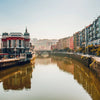
To understand Bilbao, you have to picture it before the museums. For most of the twentieth century this was a working city — shipyards, blast furnaces, cranes lining the Nervión as the river pushed toward the sea. When heavy industry collapsed in the nineteen-eighties, Bilbao could have quietly faded the way so many port cities did. Instead it made a bet that urban planners everywhere now study: it would rebuild itself around culture. The Guggenheim opened in 1997, and the river that once carried iron ore began reflecting Frank Gehry's titanium. The wider region has always kept its own language and its own table, and you feel that the moment you sit down to eat. If you want to understand where Bilbao's character comes from, it helps to know the wider Basque Country, with its fishing harbors and green valleys — Bilbao is where that identity put on a new suit without losing its accent.
Day One: Titanium, the Market, and the Seven Streets
The first day belongs to the river and the old town, with the city's most famous building as your starting point and its oldest streets as your finish.
Inside the Guggenheim
where everyone starts, but start early, before the tour groups arrive. Out front you'll meet Jeff Koons's Puppy, a thirteen-meter terrier covered in living flowers, and around the back, Louise Bourgeois's giant bronze spider, Maman, crouched over the water. Inside, give yourself time with Richard Serra's The Matter of Time in the long ground-floor gallery — walk slowly between those weathered steel walls and let them lean over you. But here's what I tell my clients: the building itself is the masterpiece, and most people only ever photograph it from the front. Cross the river first, to the La Salve bridge, where Gehry tucked a splash of red into the structure. From there you see the whole titanium galleon at once — and that's exactly where our Guggenheim tour begins.

Lunch at the Ribera, Pintxos in Plaza Nueva
By midday, cross into Casco Viejo, the old town. Stop first at the Mercado de la Ribera, one of the largest covered food markets in Europe, sitting right on the riverbank — three floors of fish, cheese, and produce that supplies half the kitchens in the city. From there wander the Siete Calles, the seven original streets that gave the quarter its shape. In the arcaded Plaza Nueva, the pintxos bars line up shoulder to shoulder, and this is where you learn the local rhythm: one or two pintxos and a small glass, then on to the next bar. Order a gilda — the original pintxo, a single skewer of olive, anchovy, and guindilla pepper, named after the Rita Hayworth film because someone decided it was green, salty, and a little risqué. The real pleasure here is the moving, not the sitting — and it's exactly the kind of crawl we run as a private pintxos tour through the old town.

A Table Worth Lingering Over
For a proper sit-down meal I send people to two places at opposite ends of the spectrum. Café Iruña, open since 1903, with its Moorish tilework and tin lanterns, is an affordable Bilbao institution; pull up to the bar for its famous pintxos morunos, little spiced lamb skewers grilled to order while you wait. For a splurge on the other end, there's Nerua, the Michelin-starred dining room hidden inside the Guggenheim, where chef Josean Alija plates the Basque coast with almost monastic restraint. One is loud and lived-in, the other is hushed and precise. Between them you've understood most of what Bilbao does at the table.
Day Two: Heights, Old Masters, and the Basque Table
The second day climbs above the city, slows down inside its quietest museum, and ends with the dish you came for.
The View from Artxanda
Begin above it all. The Artxanda funicular has been hauling locals up the hillside since 1915, and at the top the whole of Bilbao opens beneath you — the river curling through the valley, the Guggenheim a silver smudge among the rooftops, the green Basque hills folding away to the horizon. Basque families come up here on weekends with a blanket and a picnic, and you should do the same. There's no better way to feel the scale of what the city has done in a single generation.

The Museum Most Visitors Skip
A ten-minute walk from the Guggenheim sits the Museo de Bellas Artes, and most visitors never go in. That's their loss, because behind its modest doors hangs El Greco, Goya, Gauguin, and one of the finest collections of Basque painting anywhere. Go in the morning, when the rooms are still quiet and you can stand alone in front of a canvas the way you're meant to. The contrast with the Guggenheim's crowds tells you something true about Bilbao: the spectacle is on the river, but the soul is a few streets back.
One Dish You Shouldn't Leave Without
If you try one thing in Bilbao, make it bacalao al pil-pil — salt cod cooked slowly in olive oil and garlic until the sauce emulsifies into something silky and golden, bound by nothing but a patient wrist and a warm pan. It's a dish Bilbao argues about the way Naples argues about pizza: every cook swears their grandmother's was the true version. Pair it with a glass of txakoli, the faintly sparkling local white that the waiter pours from above his head to wake it up. Together they taste like the place itself.
Crafts to Carry Home
Basque craft runs to the useful and the understated rather than the decorative. The one keepsake I'd point you toward is the makila, a hand-carved walking stick of medlar wood that was once both a hiking companion and a quiet means of self-defense, still made by a handful of family workshops who measure it to your height. If you'd rather something to wear, look for a txapela, the Basque beret, from a maker like Elósegui, who has been pressing wool into berets since the eighteen-fifties. Neither is a souvenir in the airport sense — they're objects a Basque grandfather might actually own.

Beyond Bilbao: The Basque Coast
Give Bilbao two days and you'll find yourself wanting a third — for the coast. Less than an hour from the city, the shoreline turns wild and theatrical. San Juan de Gaztelugatxe is the image everyone knows: a stone hermitage perched on a rock you reach by a serpentine staircase of 241 steps, the Atlantic crashing on both sides. Beyond it lie the fishing town of Bermeo, the legendary surf break at Mundaka where the river meets the sea, and the txakoli vineyards terraced above Bakio. It's the kind of day that needs a car and a local sense of timing, which is why our Basque coast day trip from Bilbao runs well clear of the bus crowds.

Let Letango Craft Your Bilbao
This is the kind of city that opens up faster with someone beside you who knows which bar pours the best txakoli and which gallery to enter first. We don't hand you a checklist — we build the two days around what actually moves you, whether that's the art, the table, or the sea. Tell us what moves you and we'll shape the rest. And if San Sebastian is your next stop, we'll take you there on our private driver service along the Basque coast — the scenic route, not the autopista. Two days here is rarely enough — but it's the perfect place to begin
Frequently Asked Questions
What are three experiences, foods, or cultural highlights I shouldn't miss in Bilbao?
Walk the pintxos bars of Plaza Nueva in the old town — order one or two, then move on, the way locals do. Eat bacalao al pil-pil, the silky salt cod that Bilbao considers its own, with a glass of txakoli poured from a height. And cross the river at dusk to watch the Guggenheim's titanium catch the last of the light — it's the moment the whole city makes sense.
How many days do you need in Bilbao?
Two full days are enough to see the city properly without rushing — the Guggenheim, the old town, the markets, and the view from Artxanda. Add a third if you want to get out to the Basque coast, which I'd strongly encourage. Anything less than two and you'll only scratch the surface.
Is Bilbao worth visiting, or is it just the Guggenheim?
The Guggenheim put Bilbao on the map, but it's the least Basque thing about the city. The old town, the river, the pintxos culture, and the Fine Arts Museum are what make people fall for it. The museum is the reason most visitors come; the city is the reason they stay longer.
What's the best time of year to visit Bilbao?
Late spring, from May into June, and September are my favorite windows — mild, green, and not crowded. Bilbao sits in the wet, Atlantic north, so pack for the chance of rain in any season. August can be busy and warm, while winter is quiet, grey, and atmospheric if you don't mind a drizzle.
How do you get around Bilbao?
The center is compact and made for walking, and the old town is best explored on foot anyway. When you need it, the tram and metro are clean, modern, and easy. The one ride worth taking purely for pleasure is the Artxanda funicular up to the viewpoint.
What exactly is a pintxo, and how do you order them?
A pintxo is the Basque cousin of the tapa — usually a small bite served on bread and held together with a skewer, which is where the name comes from. You don't sit and order a list; you stand at the bar, take one or two, and move to the next place. Order a drink with each, keep your napkins, and the bar tots up your tab at the end.
What should I eat in Bilbao besides pintxos?
Beyond bacalao al pil-pil, look for marmitako, a hearty tuna-and-potato stew with roots in the fishing fleet, and kokotxas, the prized cheek of hake or cod. If you eat meat, a Basque txuleta — a thick, aged beef chop seared over coals — is one of the great steaks of Europe. Finish with a slice of Basque cheesecake, burnt on top and barely set in the middle.
Is Bilbao a good base for exploring the Basque Country?
It's an excellent one. The wild Basque coast is under an hour away, San Sebastián is a short hop east, and the Rioja Alavesa wine country lies just south. Base yourself in Bilbao for the city, then take a day or two out from there rather than constantly repacking.
What should I pack for Bilbao?
Layers and a light, packable rain jacket — the Atlantic weather here turns quickly even in summer. Comfortable shoes matter, because the old town is cobbled and the Artxanda climb rewards good soles. Smart-casual is plenty for even the better restaurants.
Do I need to book the Guggenheim in advance?
In high season, yes — buying a timed ticket online saves you a long wait at the door. Early or late slots are calmest, and the building photographs best in the soft light at either end of the day. Going with a guide means you skip the deciphering and head straight for the works that matter.
Every article here reflects 25+ years on the ground—I've personally visited every destination, conducted the research, and taken these photos. AI helps us shape the writing and ensure clarity. The expertise? That's all mine.
- Carlos Galvin


Comments 0