
Northern Portugal: Discovering the Soul of a Nation Beyond the Tagus

Northern Portugal: Discovering the Soul of a Nation Beyond the Tagus
There is a mist that settles over the Douro River at dawn, a quiet stillness that tells you you've arrived somewhere truly special. While the world's eyes are often fixed on the golden light of Lisbon, those who seek the heartbeat of the Peninsula know that Northern Portugal is where the most authentic characteristics of the country have been preserved. This is a land where traditions aren't put on for show — they are a way of life, from the granite cathedrals of the Minho to the terraced vineyards that defy gravity.
In the North, you'll find a landscape brimming with world-class cuisine, fascinating monuments, and — most importantly — residents who welcome you like an old friend. Most travelers I work with have been to Lisbon; very few have experienced the North properly. That is where the real Portugal begins.
This is not a guide for travelers rushing through checklists. It's a roadmap for those ready to go deeper — with local guides who understand that true tourism should transform, not just fill time. That's what Letango specializes in. Explore our our private tours of Portugal and discover what tourists miss.
Your Northern Portugal Journey:
- Porto and the Douro: Where Elegance Meets the River
- The Vines of Pinhão
- Guimarães and Braga: The Birthplace of a Nation
- The Spiritual Grandeur of the Minho
- Off the Beaten Track: A Vanishing Way of Life
- Experience the North with a Local Expert
Porto and the Douro: Where Elegance Meets the River
The city of Porto hugs the Douro River and is the natural starting point for any journey into the North. A porto walking tour with a local guide transforms how you understand the city — not rushing through monuments, but understanding why they matter. While a river cruise is the classic way to see the skyline, the real magic happens on the ground. Before you explore the eclectic architecture of the Ribeira, I always recommend arriving at São Bento railway station — not to take a train, but to stand in the entrance hall and look up. The walls are covered in over 20,000 azulejo tiles depicting scenes from Portuguese history: one of the most stunning interiors in the country, and something most visitors walk straight past on their way to somewhere else.
Insider Tip: Here's what most tourists don't know: the best time to experience São Bento is 7am, when the light comes through differently and you have the station almost to yourself. By 10am, it's packed with tour groups fighting for photos. The difference between seeing it alone and seeing it surrounded by crowds is the difference between understanding a place and just collecting images. This is where a private guide changes everything — not to rush you through, but to know exactly when and how to show you what matters.

Insider Secret: Our guides know Porto from the inside — including the real stories of the rabelo boats, the traditional wooden boats that once carried Port wine down the river. They can show you perspectives and angles that most visitors never discover, turning what could be a passing glance into an unforgettable moment. For those wanting a complete deep dive into Porto's hidden secrets, our 48 hours in Porto guide shows you exactly how to maximize every moment in the city.
The Vines of Pinhão
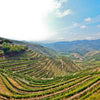
Just a short journey inland lies the fertile Douro Valley, world-famous for its Port wine — particularly around the quaint village of Pinhão. The hillsides here are meticulously covered in grapevines along terraces that lead right down to the water's edge. Before you even reach the vineyards, stop at Pinhão's train station — a 1930s gem whose walls are decorated with 24 azulejo panels depicting the grape harvest in vivid detail.
Insider Secret: Most visitors drive straight past it. Those who stop feel as though they have stepped into a living postcard. But here's the insider secret: the real beauty of these panels appears at specific times of day — early morning, when the light hits them at a particular angle, or at dusk when shadows deepen the blue. Timing matters. And timing is exactly what a local guide knows.

Insider Tip: If you're visiting during harvest season (usually September), the local festivals are legendary — but here's what tour guides won't tell you: they fill up fast, and without local connections, you'll end up with a tourist version, not the real thing. We work directly with the families who run these festivals. Our clients don't just attend — they participate. You'll crush grapes with bare feet alongside the people who have done this work for generations. It's a sensory connection to the land that transforms how you understand wine. This is the kind of experience you simply cannot arrange on your own, which is why we include it in our wine tour of Portugal for those wanting true immersion.
Guimarães and Braga: The Birthplace of a Nation
No trip to Northern Portugal would be complete without visiting Guimarães. Carved into the walls of the old town you'll find the phrase Aqui nasceu Portugal — Here Portugal was born. This is where Afonso Henriques, the country's first king, was born in 1109, and the medieval center has barely changed since.
The Guimarães Castle and the adjacent Paço dos Duques de Bragança together tell the story of a nation's birth more powerfully than any museum could.
Insider Tip: But here's what the guidebooks miss: the real Guimarães comes alive after 7pm, when the tour buses leave and the locals reclaim the streets. The cobblestone squares, the cathedral bells, the smell of dinner cooking in small restaurants — this is when you truly feel the city's soul. A private guide knows where to take you: to the families who run quintas in the surrounding villages, to conversations that happen in Portuguese over wine, to the kind of experiences that stay with you long after you leave.
The Spiritual Grandeur of the Minho
In the nearby Minho region, the Braga Cathedral — the oldest in Portugal, with foundations dating to the 11th century — stands as one of the most important religious buildings in the country. It highlights the ever-evolving history of Portugal, from Romanesque roots to Baroque flourishes. Just outside the city, the Sanctuary of Bom Jesus do Monte is a UNESCO World Heritage Site that most visitors experience by walking up its zigzagging baroque stairway.
Insider Tip: Most tourists do this hike in the middle of the day — hot, crowded, exhausting. I suggest something entirely different: take the water-powered funicular to the top. Built in 1882, it is the oldest of its kind still in operation in the Iberian Peninsula — a feat of 19th-century engineering that most people don't even know exists. But more importantly: ride it at sunrise or sunset, when the light transforms the valley below into something almost otherworldly. This is knowledge that comes from experience, from knowing a place intimately, not from skimming travel blogs.

Insider Tip: What really sets Braga apart — and what most visitors completely miss — is its Easter celebration. It's among the most spectacular in the Iberian Peninsula, with processions and traditions that date back centuries. But you can't just show up as a tourist. You need someone who knows the schedules, the best vantage points, the families who participate. We do.
Off the Beaten Track: A Vanishing Way of Life
I have always believed that to see the "real" Europe, you have to get off the main road. Head into the rural North and you encounter a way of life that has quietly disappeared elsewhere. You'll still find farms where they cut the hay with a traditional scythe, and — if you time it right — skilled workmen carefully removing cork from trees, leaving behind those distinctive burnt-orange trunks.
What most visitors don't realize is that a cork tree can only be harvested once every nine years. The industry has survived for centuries on that rhythm of patience, and it shows in the quality of the craftsmanship. Artisan cork goods made in these communities are some of the finest, most sustainable souvenirs you will find anywhere in Europe — but only if you know where to look and whose family has been perfecting the craft for generations.
This is where having a local guide becomes invaluable. We know the artisans. We've visited their workshops. We understand not just what they make, but why they make it the way they do. We can connect you with people who will show you their work in progress, explain the techniques, and tell you stories that make a simple piece of cork something you'll treasure forever.
And for those with a deeper interest in Portugal's layered history, the North holds another remarkable story: the hidden legacy of the Sephardic Jews who sought refuge in these communities after the expulsions of 1492. Our Menorahs of Portugal — 10-Day Jewish Tour traces that extraordinary history through the landscapes of the North and beyond — but with access and insights that only come from decades of local relationships.
Experience the North with a Local Expert
The true Letango magic doesn't come from an itinerary — it comes from our professional local guides. These are people who know the families running the small quintas, who eat at the best tables in hidden taverns, who understand not just the facts of a place but its pulse. They're the ones who know when to take you where, what season matters, which traditions are still alive and which have faded.
Whether you are a history buff, a wine lover, or a foodie, this is what we do at Letango —
help you discover these secrets at just the right pace, ensuring you don't just see the North — you actually feel it. You don't just visit places; you meet the people who inhabit them. And that is the difference between a trip and a transformation.
Ready to discover this magic? Contact us to plan your private Northern Portugal journey!
Every article here reflects 25+ years on the ground—I've personally visited every destination, conducted the research, and taken these photos. AI helps us shape the writing and ensure clarity. The expertise? That's all mine.
- Carlos Galvin

Comments 0